REP Fitness Ares 2.0 Review
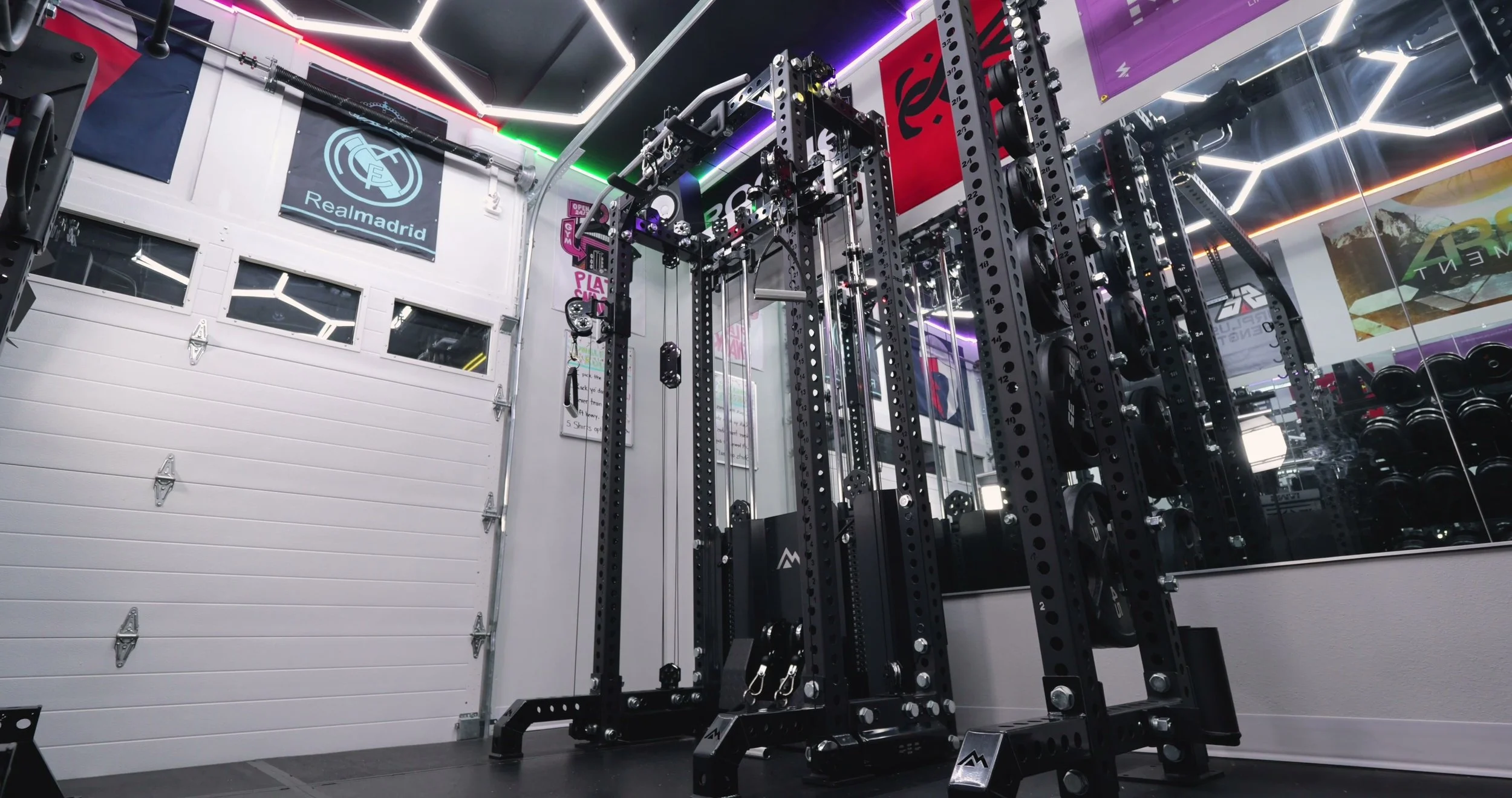
This product was in-house tested by Michael at The Jungle Gym Reviews.
The Ares 2.0 turns a PR-4000 or PR-5000 rack into a full dual-stack functional trainer with a center lat pulldown and low row in a surprisingly compact footprint. The cable feel on the center station is excellent, and the built-in micro-loading makes dialing in weights easy. The main tradeoff is complexity and price — you’re paying for a tightly integrated system that only fits REP racks. It’s a strong fit for someone who wants one rack to handle barbell and cable training without giving up floor space, but anyone on a non-REP rack or wanting a simpler cable tower should hesitate.
Quick Specs
Weight stacks: Dual 260 lb (standard) or dual 310 lb (optional)
Pulley ratio: 2:1
Trolley weight capacity: 450 lb
Cable weight capacity: 450 lb
Cable travel: 80" rack: 71.3" · 93" rack: 94.9"
Total height: 80" rack: 82.1" · 93" rack: 93.9"
System width: 57.6"
Max added width: 5.2"
Added depth: 6"
Compatibility: REP PR-4000 and PR-5000 racks (4-post or 6-post)
Features: Integrated lat pulldown, seated row, and 5 lb adder weights
Where to Buy the REP Fitness Ares 2.0
Check current pricing and available configurations directly from REP.
My Real-World Experience
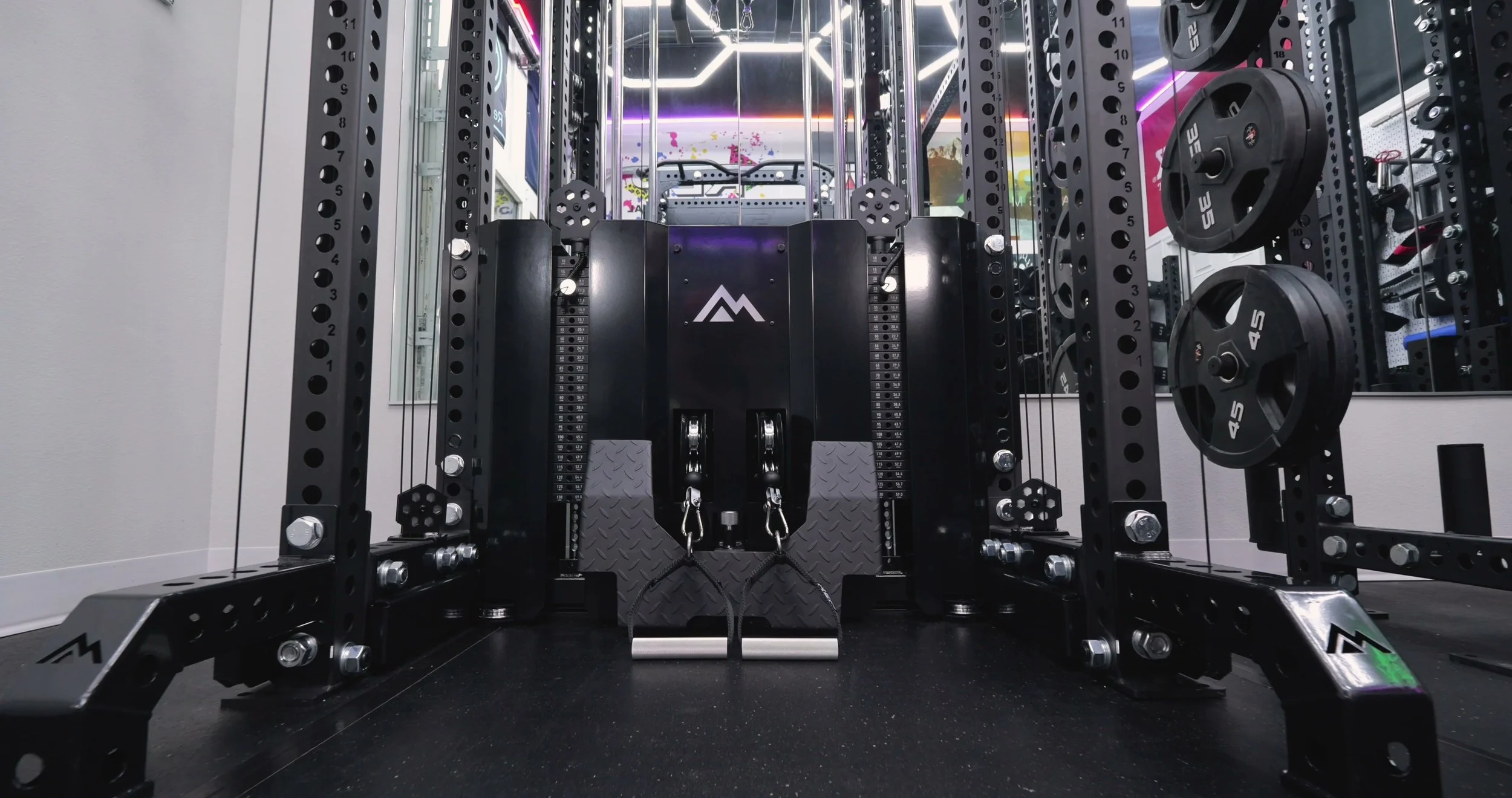
What makes the Ares 2.0 different from most rack-mounted cable systems is how much it actually feels like a real commercial cable machine once it’s dialed in. The center lat pulldown and low row are the stars — they’re noticeably smoother and more elastic than the side trolleys. When I pull from the center, the cable snaps back cleanly and feels extremely consistent through the range of motion.
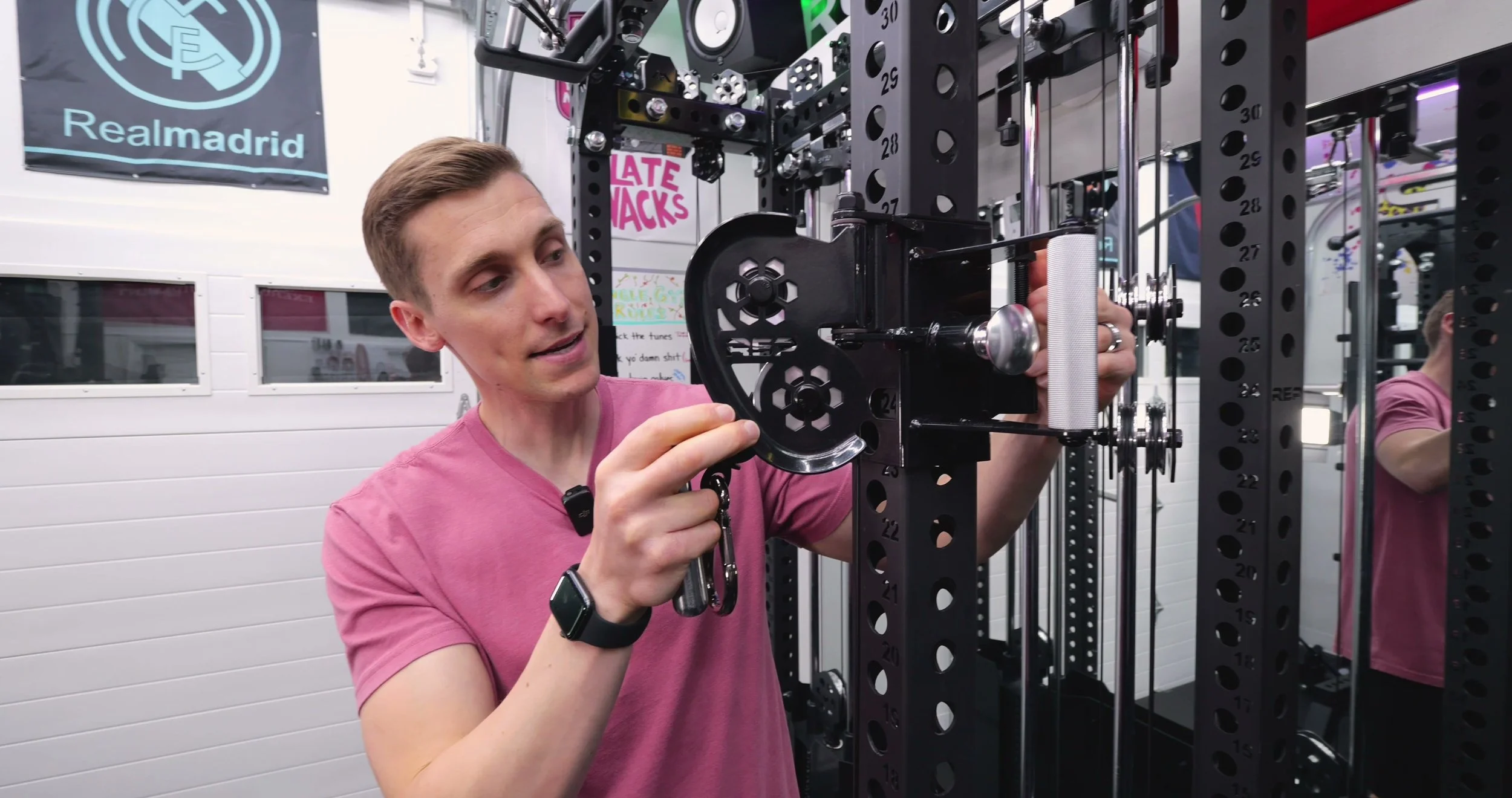
The side trolleys work well for flyes, presses, and accessory work, but they don’t feel quite as friction-free because of how much cable routing they go through. It’s still very good, just not on the same level as the center station.
Assembly is not simple. The cable routing is complicated and you really need to pay attention during the build. Once it’s done, though, it’s rock solid. I like that the 2.0 stores the trolleys at the bottom of the rack — it keeps the upper portion open for barbell work and makes the rack feel less cluttered.
The built-in 5 lb adder plates are also something I use all the time. Being able to micro-load cable movements without grabbing separate attachments is one of those things that sounds small but changes how you train.
Training Use Cases
This system is ideal if you want a single rack to handle almost everything: barbell lifting, functional trainer movements, lat pulldowns, and seated rows. I use the center station for all of my heavy back work and the side trolleys for flyes, triceps, curls, and rehab-style movements.
It also makes a lot of sense in tight spaces because you get dual stacks and a full cable system without needing a separate functional trainer or lat machine.
Where it becomes unnecessary is if you only need a simple cable tower or already own a standalone functional trainer. In that case, the integration and cost don’t add much.
Tradeoffs & Limitations
The biggest limitation is compatibility. This only works on REP PR-4000 and PR-5000 racks. If you’re on another ecosystem, this system is simply not an option without major modification.
The four-post configuration also restricts how low you can place spotter arms because the trolleys occupy the bottom of the uprights. It’s manageable, but it does require planning when you switch between barbell and cable work.
Cost is another real tradeoff. By the time you add the rack and accessories, you’re firmly in the all-in-one premium category.
Value & Alternatives
For someone already in the REP ecosystem, the Ares 2.0 makes a lot of sense. It gives you a selectorized, dual-stack cable system without eating up more floor space.
Compared to standalone functional trainers, you’re trading simplicity for integration. Compared to rack-attached cable kits, you’re getting a far more complete system — but at a higher price.
Who Should Buy This
If you want a single rack that can replace a functional trainer, lat machine, and low row while still letting you squat, bench, and press, this fits that role extremely well.
Who Should Skip It
Anyone on a non-REP rack, or anyone who just wants a simple cable tower without the complexity or cost of a fully integrated system.
Final Verdict
The Ares 2.0 is a powerful, space-efficient way to turn a REP rack into a full cable gym. It’s not cheap or simple, but when it’s set up, it’s one of the most capable rack-mounted systems I’ve used.
Affiliate Disclosure
Some links may earn me a commission if you purchase through them, at no additional cost to you. It helps support The Jungle Gym Reviews.