Bells of Steel Barenaked Powerlifting Bar Review
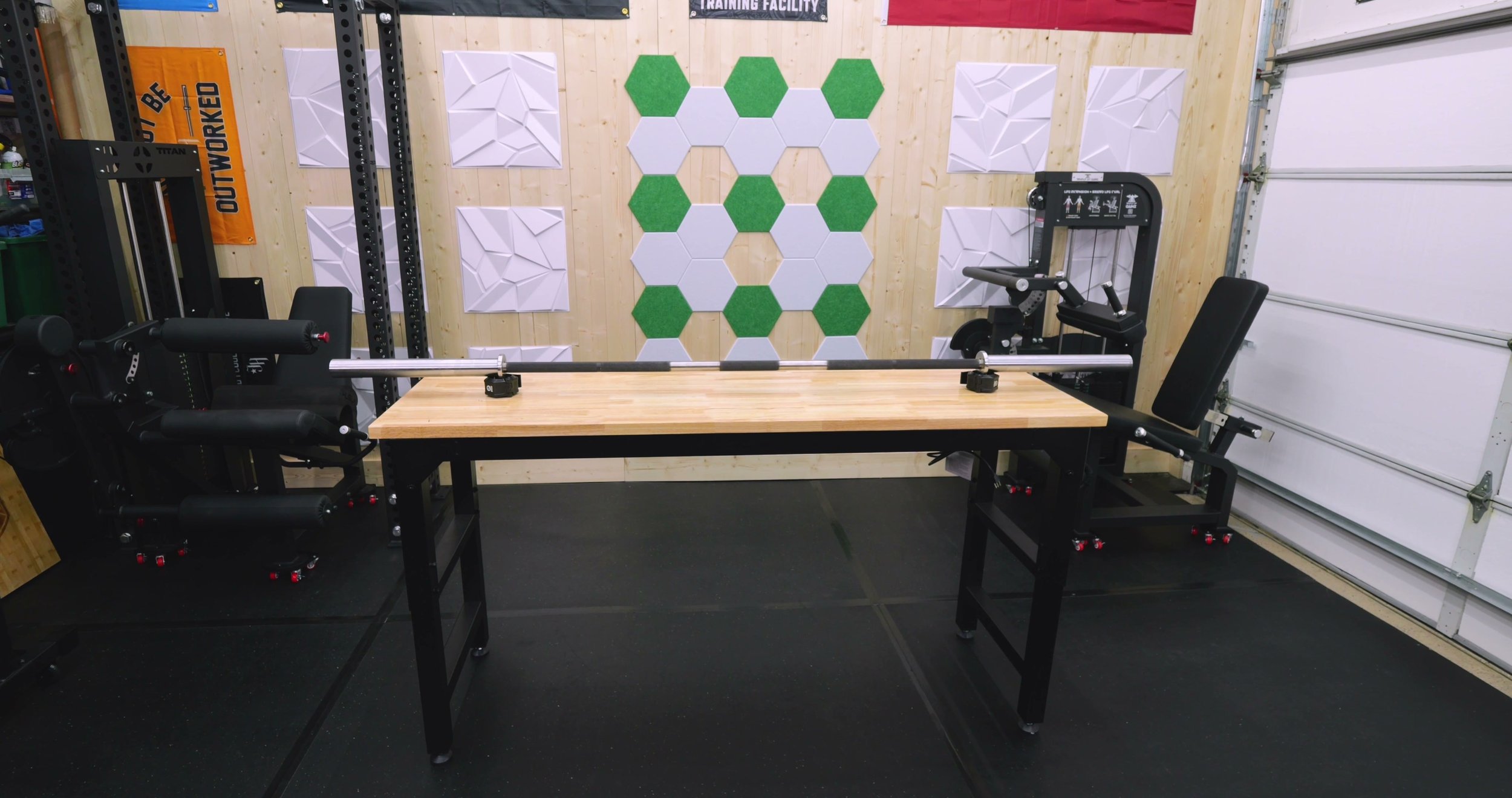
This product was in-house tested by Michael at The Jungle Gym Reviews.
If you want a stiff 29mm power bar with truly aggressive knurling and a center knurl, this is a lot of bar for the money. The main tradeoff is that the knurling can be overkill for high-rep pressing or “daily driver” use unless you specifically like that sharp feel. It’s best for lifters who prioritize squat and deadlift grip/security and want a power bar that bites. If you have sensitive hands, hate callus irritation, or want a smoother all-purpose bar, you should hesitate.
Quick Specs
Price (Bare Steel): $267.99
Price (Black Cerakote): $307.99
Weight: 20 kg / ~44 lbs
Shaft Diameter: 29mm (1.14”)
Overall Length: 86.6” / 2,200mm
Loadable Sleeve Length: 16 15/16” / 430mm
Tensile Strength: 210,000 PSI
Shaft Finish (Bare Steel Version): Bare steel shaft, hard chrome sleeves
Shaft Finish (Cerakote Version): Black Cerakote shaft and sleeves
Sleeve Design: Ribbed for plate grip
Bushings: Bronze bushings with snap rings
Knurling: Aggressive volcano-style with center knurl
Knurling Marks: Powerlifting
Max Capacity: 1,500 lbs / 680 kg
IPF Specs: Matches (not approved for competition)
Warranty: Lifetime Limited Warranty
Shipping: Free (continental US)
Where to Buy the Bells of Steel Barenaked Powerlifting Bar
Check current pricing and availability on the official product page.
My Real-World Experience
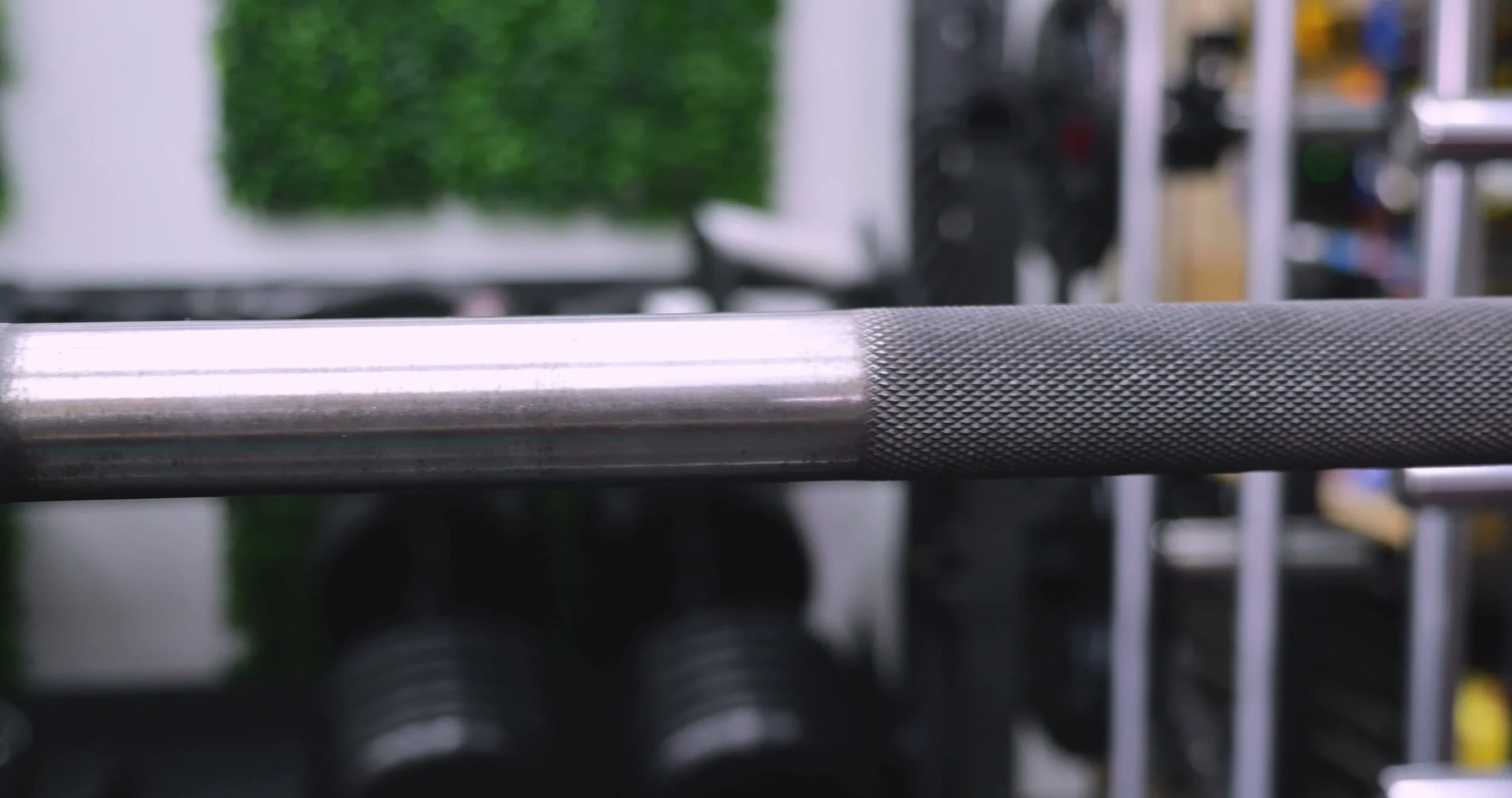
This bar makes its point the second you grab it: the knurling is aggressive, and it’s not trying to be polite about it. For deadlifts, that’s exactly what you want—especially if you like the feeling of the bar “locking in” to your hands so you don’t feel like you’re constantly managing grip. With a hook grip, it gives you a lot of security even before you bring chalk into the equation. For squats, the center knurl does what a center knurl is supposed to do: it helps the bar stay planted instead of sliding around on your back once the weight gets meaningful.
Where it becomes a love-it-or-hate-it thing is pressing. For bench (and pressing in general), the knurling can feel harsh against the hands and calluses, especially if you do higher volume. That’s why I don’t treat it as my “everything” bar. It’s not that the bar is bad—it’s that the grip experience is purpose-built for powerlifting-style use where control and security matter more than comfort.
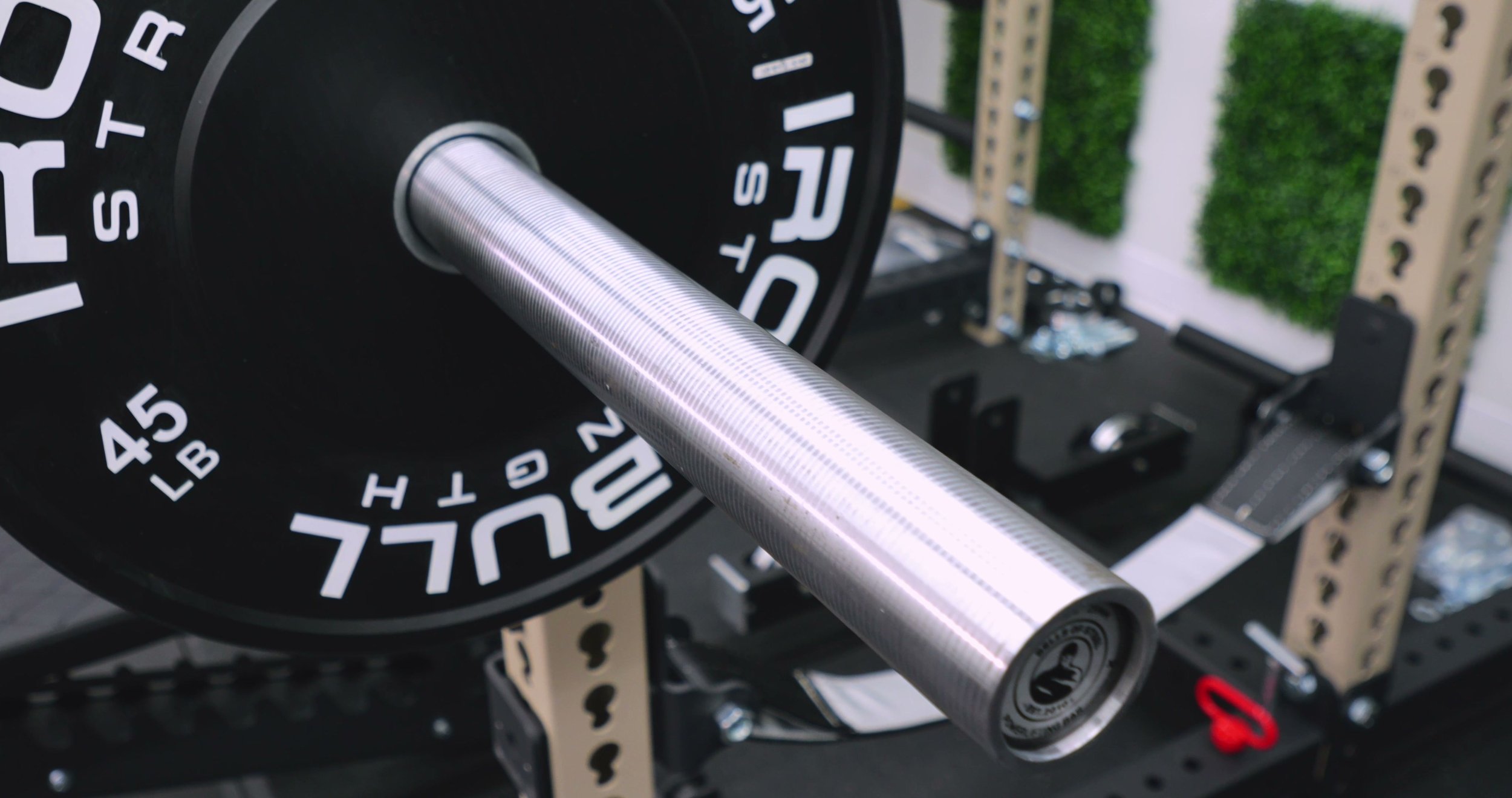
I also like the sleeve ribbing more than I expected. It’s one of those details that looks cosmetic, but it does add a little extra plate “hold” feel, especially if you’re moving fast between sets or you’re loading heavier and want everything to feel locked down.
Training Use Cases
This bar fits best when your training is centered around squat/bench/deadlift and you want a power bar that feels stiff and secure. The 29mm shaft and 210,000 PSI tensile strength pairing is the “power bar” recipe: less whip, more direct load feel. That matters most on squats and heavier bench work, and it’s especially noticeable if you’re coming from a more general 28.5mm bar that feels a little livelier.
For general training—rows, curls, overhead press—it works fine, but the aggressive knurling can make those movements feel unnecessarily abrasive if you’re doing a lot of volume. If you’re the type who wants one bar to do everything, this is where you decide whether you like aggressive knurling enough to live with it daily.
Tradeoffs & Limitations
The knurling is the headline, and it’s also the biggest compromise. If you want a bar that feels comfortable across lots of high-rep work, this can be too sharp—especially on pressing where the bar sits and moves across the hands more.
The bare steel shaft also means you should be realistic about your environment. If you’re in a humid space or you simply don’t want to think about upkeep, the Cerakote version exists for a reason.
And finally, while this matches IPF specs, that’s not the same thing as being competition-approved—so if your goal is to train and compete on an approved bar specifically, you’ll want to factor that into your choice.
Value & Alternatives
At the current pricing, the value depends on what you’re actually chasing. If your #1 goal is a stiff 29mm power bar with aggressive knurling and a center knurl, this still lands in a price zone that’s approachable compared to a lot of premium power bars. The question is whether you want this level of knurling intensity or you want something a little more balanced for mixed training.
If your priority is one bar that’s comfortable for everything, you’re often better off staying in the “general-use” bar category or choosing a power bar with a less aggressive feel. If your priority is deadlift/squat grip and bar stability first, this is exactly the kind of bar that makes sense.
Who Should Buy This
Buy this if you want a true power bar feel—stiff 29mm shaft, center knurl for squats, and aggressive grip for deadlifts—and you’re okay with a bar that feels intense in the hands.
Who Should Skip It
Skip it if you bench and press a lot of volume and you already know aggressive knurling beats up your hands, or if you want one “daily driver” bar that’s comfortable across every movement.
Final Verdict
This is a purpose-built powerlifting bar that prioritizes stiffness and grip security, and it delivers—especially for squats and deadlifts. The only real question is whether you want knurling this aggressive on your main bar.
Affiliate Disclosure
Some links may be affiliate links. If you buy through them, I may earn a small commission at no extra cost to you.