Vivobarefoot Motus Strength Review
This product was in-house tested by Michael at The Jungle Gym Reviews.
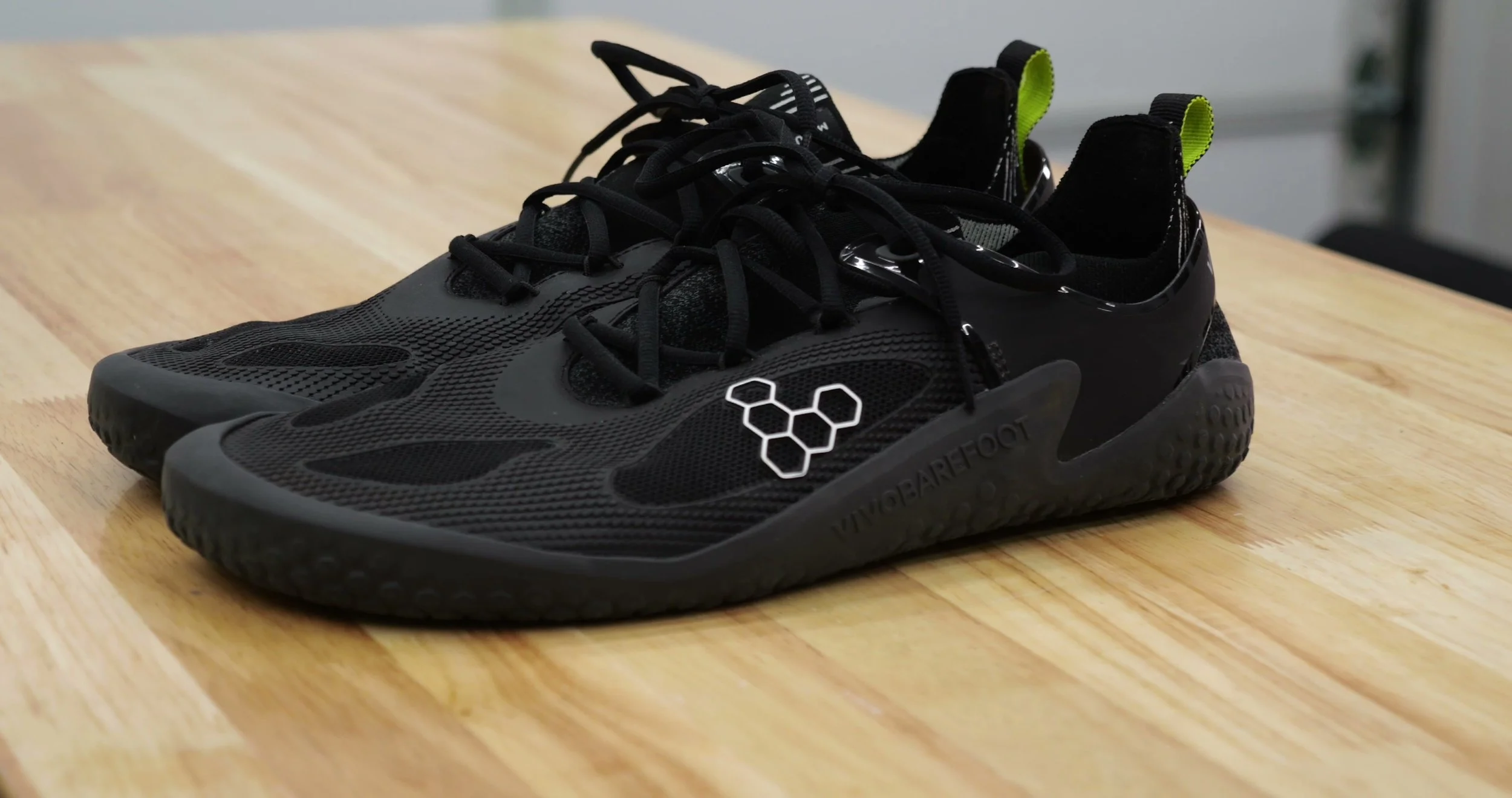
The Motus Strength delivers exactly what a barefoot training shoe should: an ultra-thin, zero-drop platform with a wide toe box and serious lateral stability for lifting and athletic work. The biggest tradeoff is that there is zero structural support, which can be a deal-breaker if your feet rely on arch support or motion control. These are best for lifters who want maximum ground feel and natural foot mechanics during training, while anyone with flat feet, chronic pronation, or a history of needing orthotics should approach with caution.
Quick Specs
Price: $200
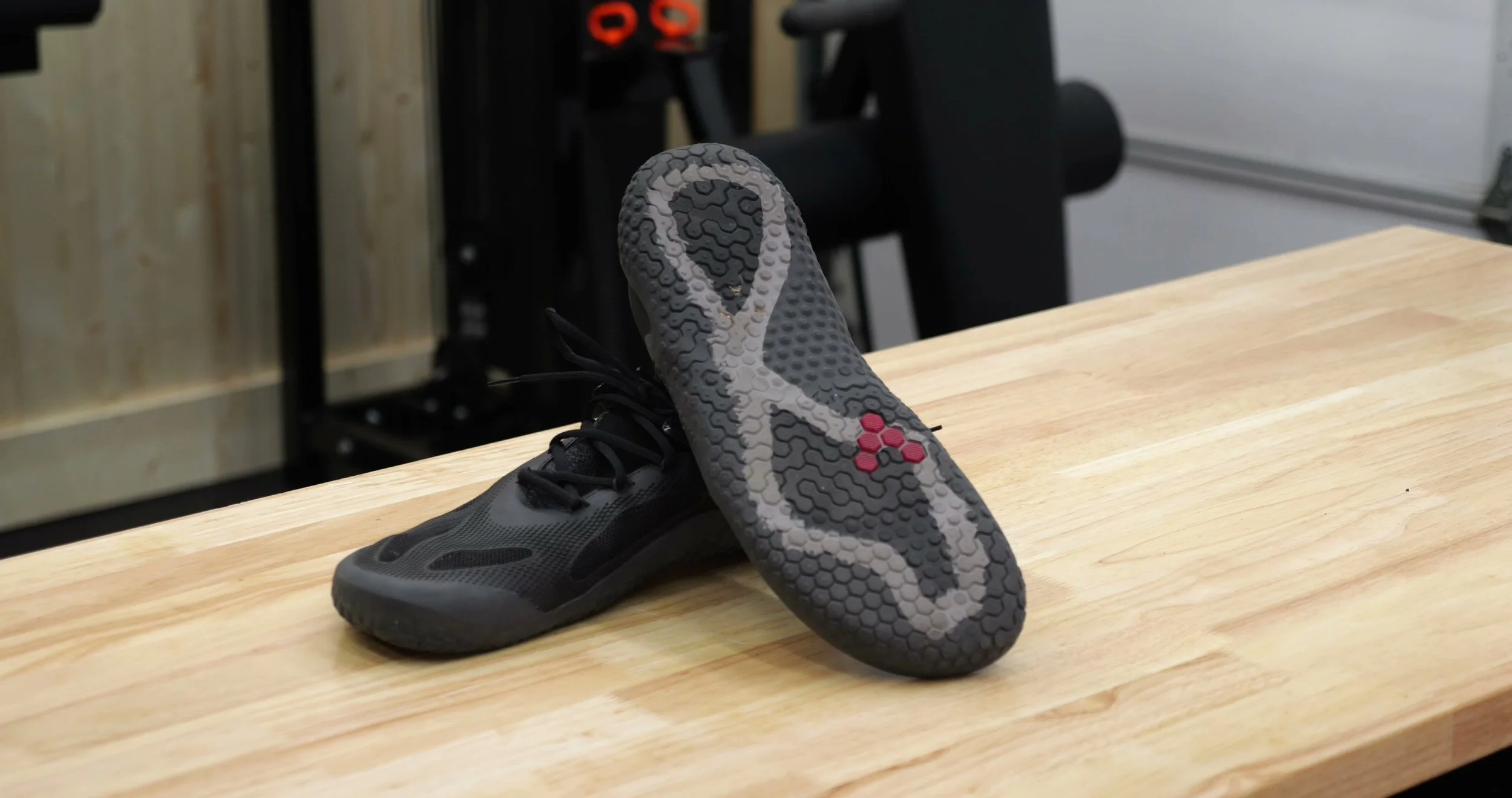
Heel-to-Toe Drop: 0mm
Sole Base Thickness: 2mm
Tread Depth: 1.5mm
Total Stack Height: 3.5mm
Weight: 282g / 9.9 oz (Men’s EU42)
Toe Box: Wide, foot-shaped
Fit: True to size, sock-like
Upper: rPET recycled polyester mesh with reinforced overlays
Lateral Support: High midfoot sidewalls
Heel Construction: KPU shell with 57% bio-based heel clip
Insole: Active OrthoLite Performance, 98% recycled PU
Vegan: Vegan materials, certification pending
Return Window: 100 days
Where to Buy the Vivobarefoot Motus Strength
Check current pricing and availability directly through the product listing.
My Real-World Experience
I wore the Motus Strength almost every day for roughly 100 days across lifting, walking, running, and normal daily life. The fit is excellent: it feels more like pulling on a sock than a shoe, and there are no pressure points, hot spots, or toe squeeze. The wide toe box lets my feet spread naturally, and the zero-drop stance immediately felt more balanced under a barbell compared to traditional trainers.
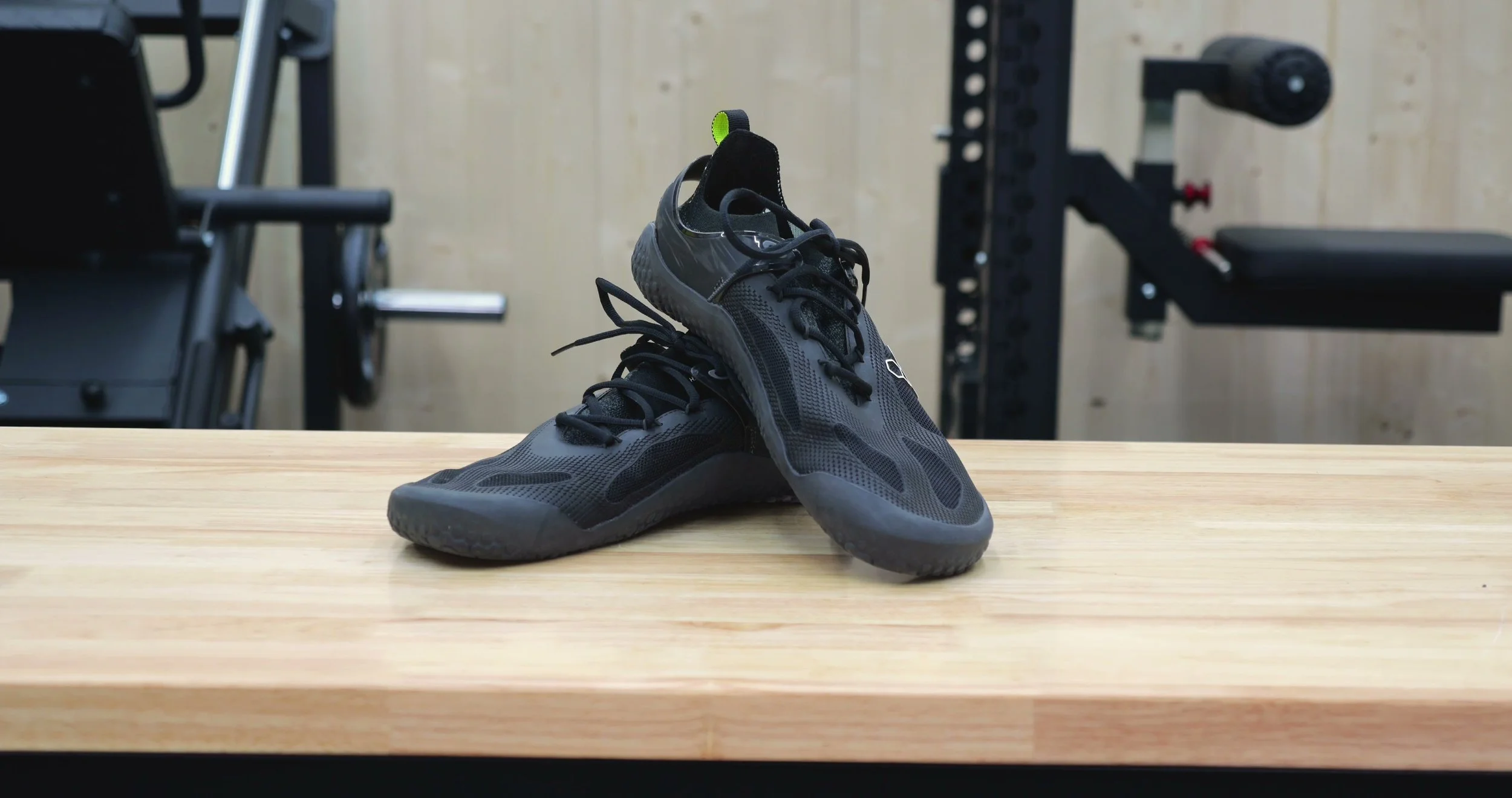
For strength work, the ground feel is unreal. Squats, deadlifts, and presses feel anchored because there is nothing compressing or shifting underfoot. The added lateral sidewalls and heel structure give just enough stability for lunges, sled work, and more athletic movements without turning the shoe into a rigid trainer. Durability has also been better than expected because your foot sits low inside the shoe rather than riding high on foam that can tear or collapse.
Training Use Cases
These shine for lifting, sled work, functional training, and any movement where you want maximum feedback from the floor. They also work well for walking and light running once you’ve adapted to barefoot mechanics. They are unnecessary if you just want a cushioned trainer or if you rely on arch support for pain-free movement.
Tradeoffs & Limitations
There is no built-in arch support, no motion control, and no cushioning to hide poor mechanics. If your feet collapse inward or you rely on orthotics, the Motus Strength will expose that immediately. The thin sole also means you feel everything underfoot, which is the point, but not everyone wants that for long days on concrete.
Value & Alternatives
At $200, these are priced like premium trainers, but they are really a specialty barefoot tool. You are paying for materials, sustainability, and a very specific training experience rather than comfort or cushioning.
Who Should Buy This
Lifters and athletes who want true barefoot mechanics, wide toe freedom, and a stable, low-profile shoe for strength and functional training.
Who Should Skip It
Anyone with flat feet, chronic ankle or knee issues tied to pronation, or anyone who needs arch support to stay pain-free.
Final Verdict
The Motus Strength is a beautifully designed barefoot training shoe that does exactly what it promises. For the right feet it can be a game-changer, but for feet that need support, it will quickly become a problem rather than a solution.
Affiliate Disclosure
Some links on this site are affiliate links, which means I may earn a commission if you purchase through them at no additional cost to you.