GetRX’d Viper Cable Tower Review: Wall-Mounted Single-Stack Functional Trainer with Tornado Arms
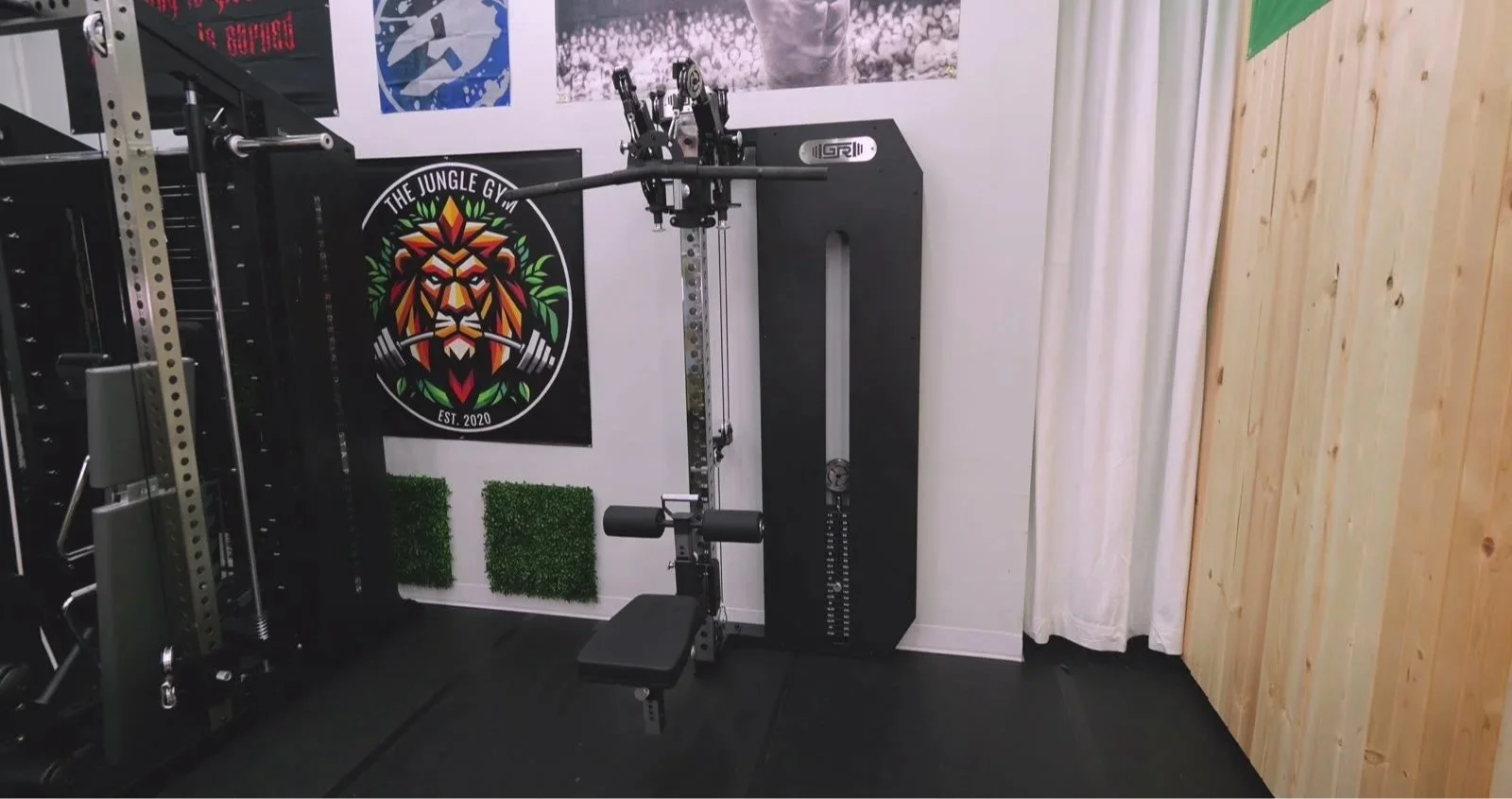
This product was in-house tested by Michael at The Jungle Gym Reviews.
The GetRX’d Viper Cable Tower is a wall-mounted, single-stack functional trainer built for home gym owners who want maximum cable functionality without sacrificing floor space. With a compact wall-mounted design and a selectorized weight stack, it’s designed to cover a wide range of movements in a very small footprint.
Single-stack cable towers have become an increasingly popular option for home gyms, especially in garages and basements where space is limited. They offer much of the versatility of a traditional functional trainer without the size and cost of dual-stack machines, making them an appealing middle ground for serious home gym setups.
After spending time training on the Viper, I think it deserves serious consideration in this category. It typically sells for around $1,800 with free shipping, which puts it squarely in the mid-range for selectorized single-stack systems, and the addition of GetRX’d’s Tornado Arms adds a level of adjustability that most competitors simply don’t offer.
Quick Specs
Price: ~$1,800 with free shipping
Weight Stack: 200 lb selectorized stack (10 lb increments)
Ratios: 2:1 (single handle), 1:1 (dual handle)
Depth: ~13 inches off the wall
Height: ~83 inches
Width: ~35 inches
Mounting: Wall-mounted (stud required)
Upright Size: 3x3 stainless steel upright with 1-inch holes
Orientation: Reversible left or right side weight stack mounting
Where to Buy the GetRX’d Viper Cable Tower
If you want to check current pricing, availability, and shipping details, you can view the GetRX’d Viper Cable Tower directly on GetRX’d’s website.
Footprint, Height, and Space Planning
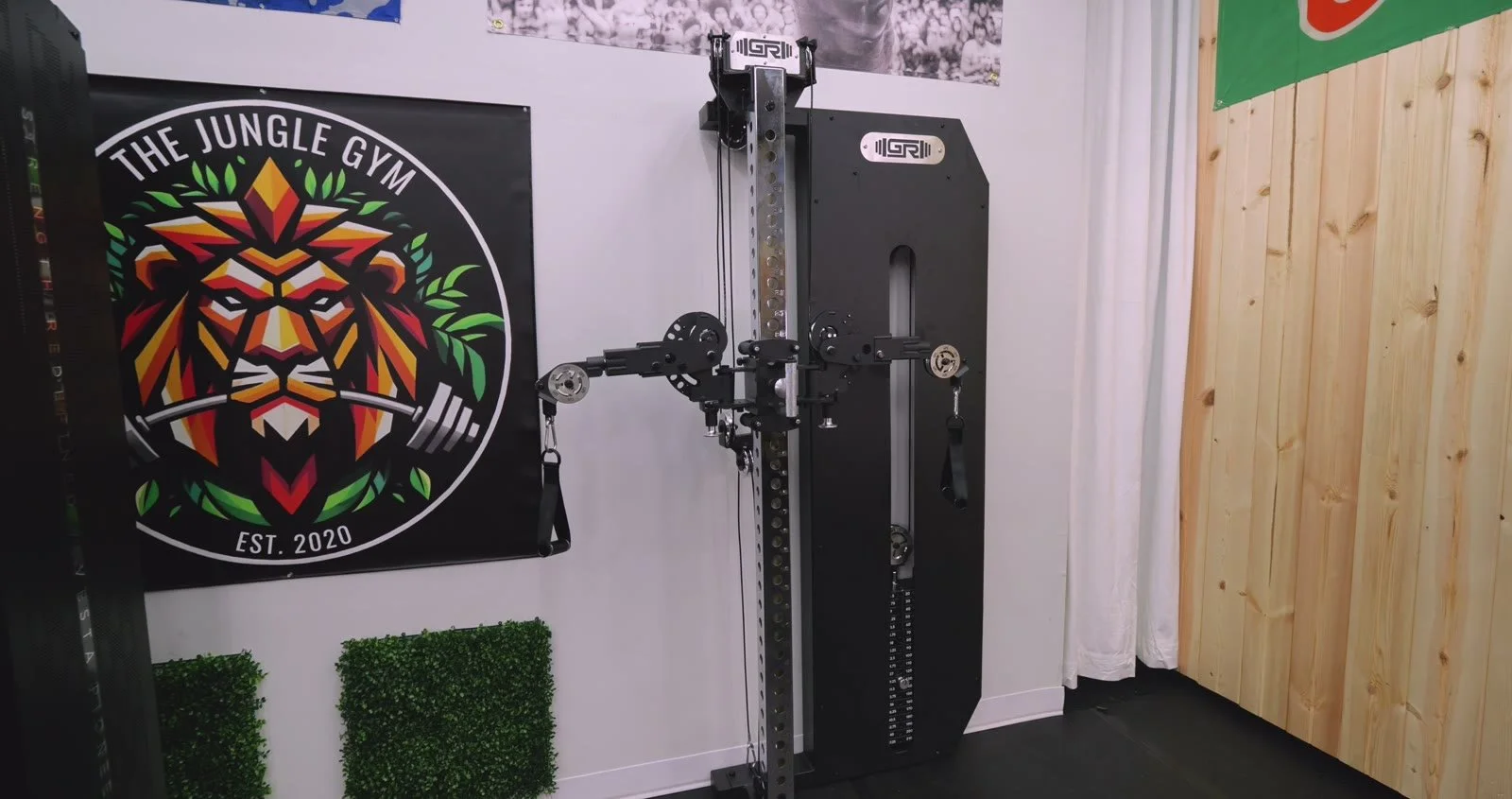
One of the biggest selling points of the Viper Cable Tower is how little space it takes up at rest. In its base configuration, the unit sits roughly 13 inches off the wall, making it a strong option for garages, basements, or spare rooms where floor space is limited.
The overall dimensions come in at approximately 83 inches tall and 35 inches wide. That height is particularly important for home gym owners dealing with ceiling constraints, since many full-size functional trainers simply won’t fit in lower basements.
It’s worth noting that the Tornado Arms will extend further into the room depending on how you position them. When set wide for movements like cable flyes, you’ll need additional clearance in front of the unit. When parked in a neutral position, however, the footprint remains very compact relative to what the machine is capable of.
Wall-Mounted Design and Installation
The Viper Cable Tower is designed to be wall-mounted, and that aspect of the design is not optional. This machine needs to be bolted into a wall stud to function safely and as intended.
Installation is straightforward. The unit mounts using lag bolts that are included, with three primary mounting points behind the shroud. Additional mounting holes spaced 16 inches on center allow the unit to line up with standard residential framing.
One design detail I appreciate is that the entire system can be mounted in either orientation. Depending on your space, you can choose to have the weight stack on the left or right side of the center upright, which adds flexibility during installation and layout planning.
Single-Stack System and Weight Ratios
The Viper uses a 200-pound selectorized weight stack with two cable exits from a single central column. How the machine feels depends on whether you’re using one handle or both at the same time.
When using a single handle, the system operates at a 2:1 ratio, providing an effective resistance range of 5–100 pounds per side with increased cable travel. This works well for isolation movements, unilateral training, and higher-rep accessory work.
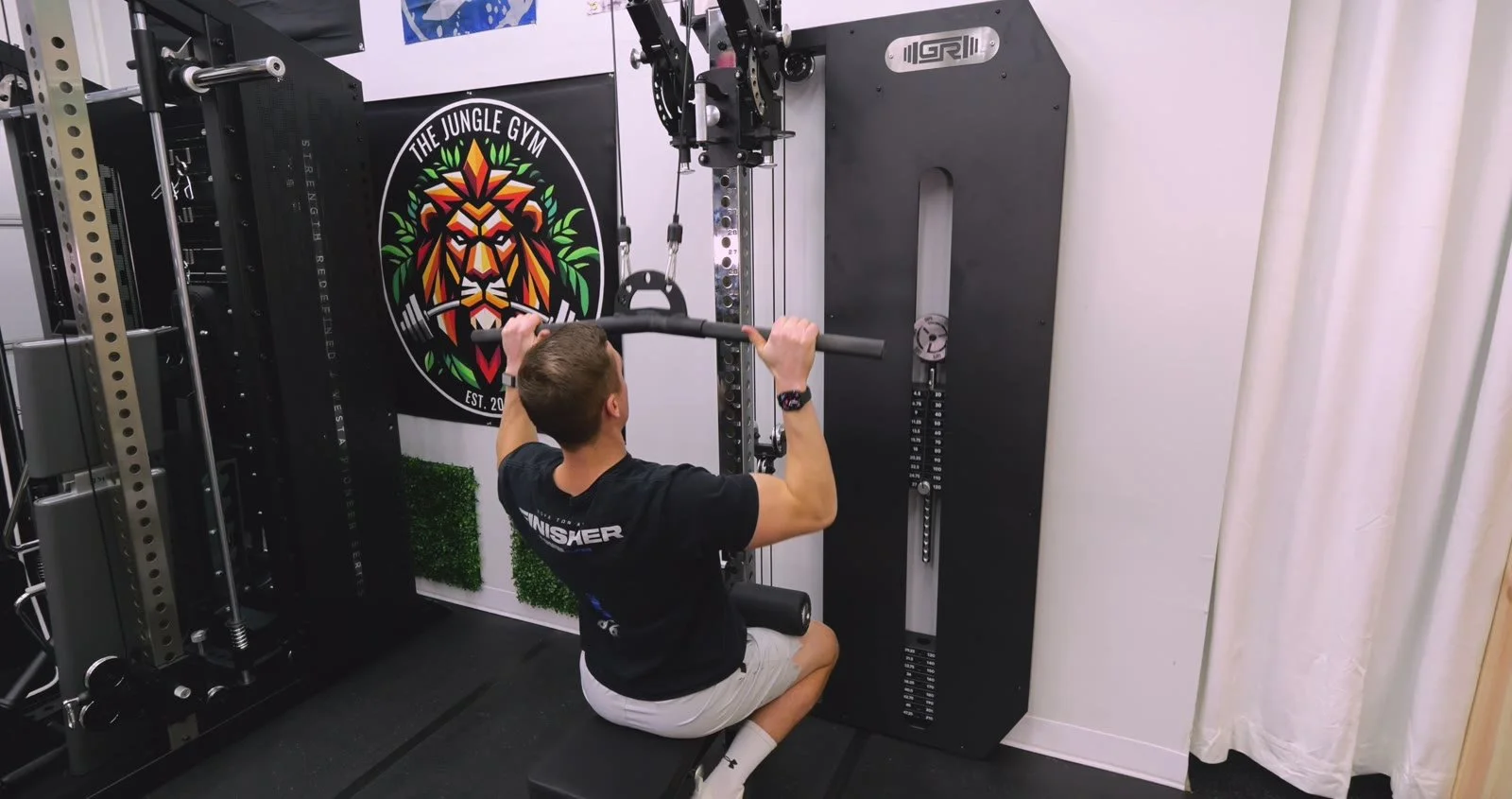
When both handles are used together, the system switches to a true 1:1 ratio, allowing you to pull the full stack from 10–200 pounds. This makes the Viper capable of heavy lat pulldowns, rows, and other compound pulling movements that typically require a dedicated machine.
Tornado Arms and Adjustability
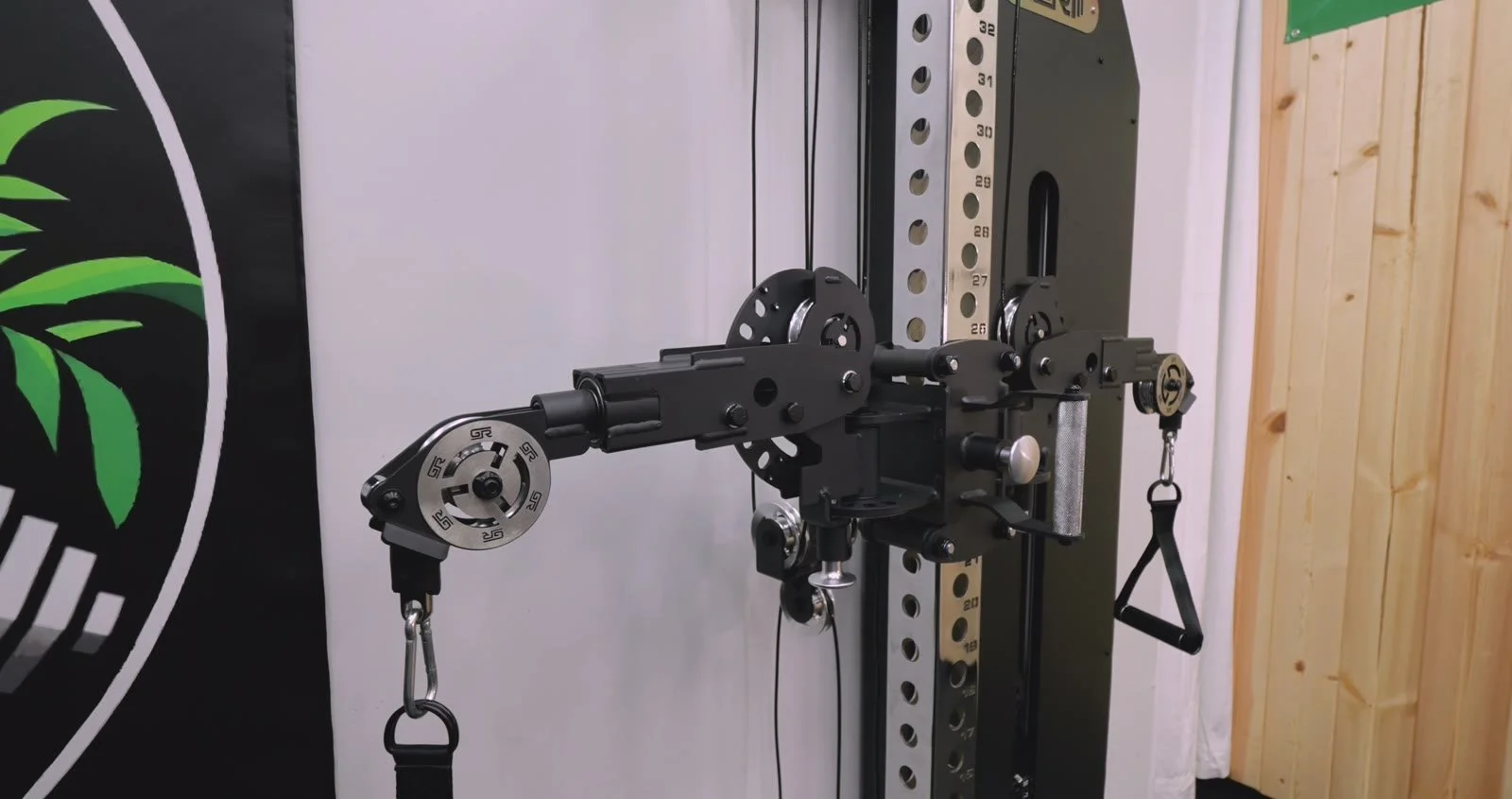
The Tornado Arms are what truly separate the Viper from most other single-stack cable towers in this price range. Each arm can be adjusted independently for both height and angle, allowing you to fine-tune cable positioning for a wide variety of movements.
In the widest configuration, the cable exit points are approximately 43 inches apart, which is comparable to many compact functional trainers. This allows movements like cable flyes to feel natural without requiring dual weight stacks or a large machine footprint.
The arms are mounted to a single center trolley that rides on rollers along the front upright. While the rollers help with movement, the trolley assembly weighs roughly 40 pounds, so height adjustments are best done with two hands. It’s not a dealbreaker, but it’s worth understanding if you’re coming from lighter cable systems.
Training Use Cases and Versatility
Thanks to the Tornado Arms and the 3x3 front upright, the Viper can handle a wide range of movements, including:
Lat pulldowns
Low rows
Chest flyes
Tricep pushdowns
Bicep curls
Lateral raises
Face pulls
Belt squats (with proper setup)
The 3x3 upright with 1-inch holes is especially valuable because it allows compatibility with universal attachments. If you already own 3x3 accessories or plan to expand over time, this significantly increases the long-term value of the machine.
What Stood Out in Daily Use
After spending months training on the Viper, it handled the full range of cable movements you’d expect without issue, including chest flyes, tricep pushdowns, face pulls, bicep curls, lateral raises, lat pulldowns, seated rows, and more. The smoothness of the cable system stood out immediately. Cable machines tend to live and die by pulley quality and cable routing, and this unit performs well whether you’re using one handle or both under load.
At 6'2", I paid close attention to whether the 83-inch overall height would limit my range of motion on lat pulldowns. With the arms in their highest position, the cable exit sits around 79 inches from the floor. Using a Rogue Mutant Metals lat pulldown bar with a built-in joiner bracket, I’m able to achieve a full stretch at the top of the movement, though seat height does matter. On the opposite end of the range, moving the arms all the way down puts the cable exits essentially at floor level, which opens up movements like belt squats where starting as low as possible is beneficial.
There are a couple of real-world quirks worth mentioning. Out of the box, there’s roughly two inches of cable slack even with everything tensioned correctly. It hasn’t affected my training, and there are simple DIY fixes using the eye bolt at the bottom if it bothers you, but it’s fair to note at this price point. Additionally, cable travel in 1:1 mode can limit wider movements like flyes or lateral raises, causing you to top out the stack sooner than expected. That’s inherent to compact single-stack systems rather than a Viper-specific flaw, but it’s something to be aware of if those movements are central to your programming.
Where the Viper Excels
Extremely compact wall-mounted footprint
200 lb selectorized weight stack
True 1:1 and 2:1 ratio capability
Tornado Arms provide excellent adjustability
Universal 3x3 upright compatibility
Things to Keep in Mind
Requires wall mounting
Trolley adjustment is not one-handed
Cable travel can be limiting in 1:1 mode for very wide movements
Who This Makes Sense For
The GetRX’d Viper Cable Tower makes the most sense for:
Home gym owners with limited floor space who still want a versatile cable setup
Lifters who want both functional trainer movements and heavier lat pulldowns or rows from a single machine
People who value adjustability and cable positioning over quick, one-handed adjustments
Anyone already using or planning to use 3x3-compatible attachments
This machine is less ideal for those who can’t wall-mount equipment or who prefer the feel of a full-width dual-stack functional trainer.
Final Verdict
The GetRX’d Viper Cable Tower is one of the more compelling single-stack functional trainers available right now. The combination of a 200-pound selectorized stack, Tornado Arms with real adjustability, and a compact wall-mounted footprint makes it a strong option for serious home gym owners with limited space.
At around $1,800, it’s not the cheapest way to add cable training to your gym, but for the functionality it offers, the value is there. If your space is limited but your training demands are not, the Viper is absolutely worth a look.
Affiliate Disclosure
Please note: Some links in this article may be affiliate links. If you make a purchase through these links, The Jungle Gym Reviews may earn a small commission at no additional cost to you. These affiliate commissions help support our ability to produce honest, in-depth gym equipment reviews.