Force USA C20 Functional Trainer All-In-One Power Rack Review
This product was tested by Michael at The Jungle Gym Reviews.
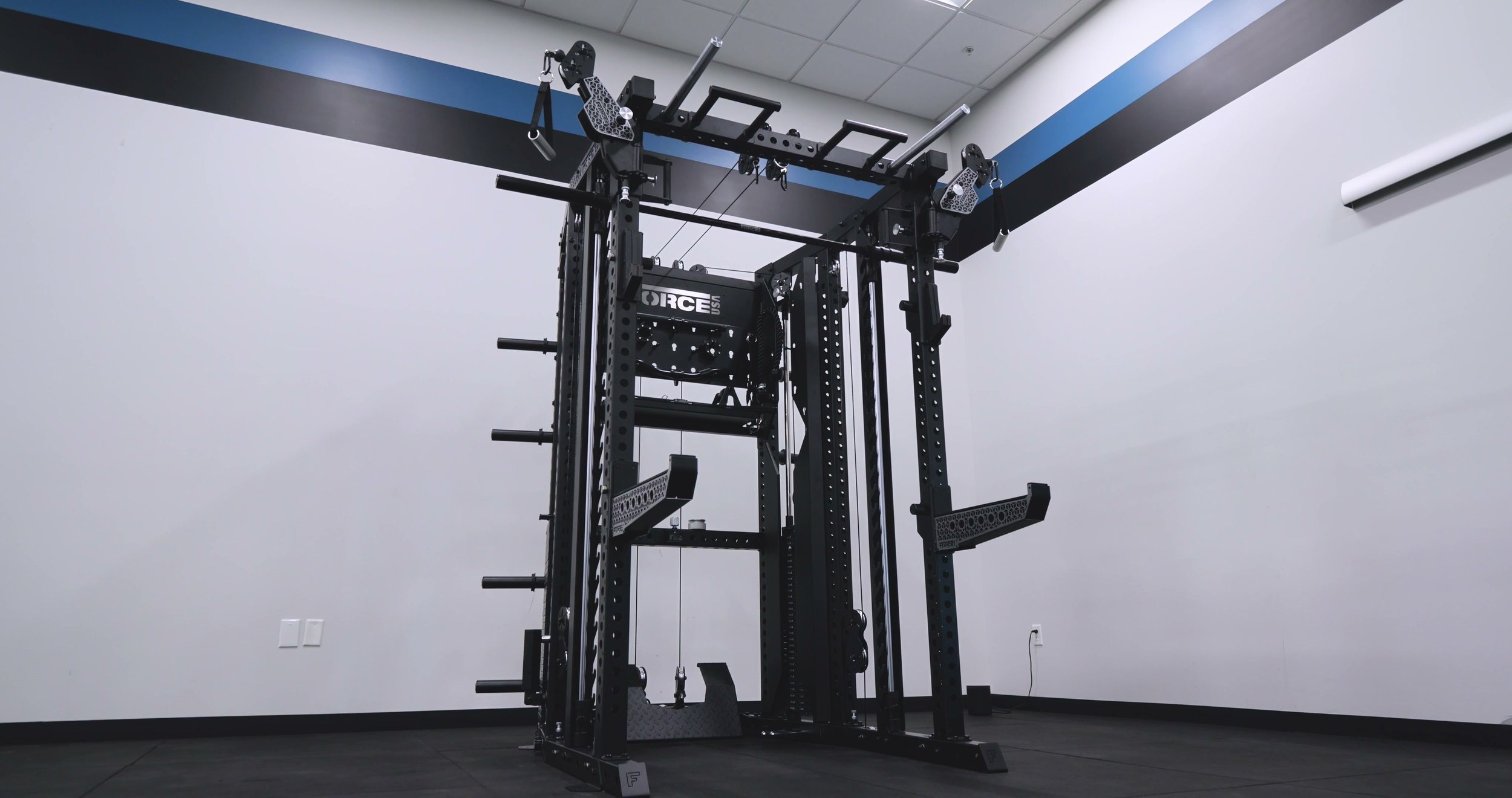
The Force USA C20 is a new 3x3, 11-gauge all-in-one system that’s trying to be the centerpiece of a serious home gym: power rack, functional trainer, Smith machine, articulating arms, multiple cable ratios, integrated storage, and a bunch of “why doesn’t everyone do this?” hardware details. The big question isn’t whether it can do a lot—it obviously can. The question is whether the way it combines everything actually works in real training, without the usual compromises that come with all-in-ones.
The C20’s biggest strength is how complete it feels: the articulating arms add real functional trainer width, the Smith machine has excellent clearance and smooth travel, and the integrated safeties/J-cups have thoughtful locking details that solve common annoyances. The tradeoff is price and complexity—this is not a minimal rack, and some setups (like tall-person pulldowns with the connector) require workarounds until Force USA’s updated solution arrives. It’s best for someone building a “do-it-all” gym around one platform and who values refined design and integrated leg press/hack squat capability. If you just need a rack and basic cables, this is overkill.
Quick Specs
Rack Size: 3x3
Steel: 11-gauge
Hole Size: 1-inch
Articulating Arm Adjustments: 5 left-to-right positions; 4 up/down positions
Functional Trainer Ratio: 2:1 per side
Lat Pulldown / Low Row Cable Exits: Top and bottom center exits tied to both stacks
Adder Weight: 5 lb add-on (stored on the stack when not in use)
Weight Stack Options: 200 lb standard; upgrade options to 250 lb and 300 lb
Low Row Foot Plate: Angled, adjustable front-to-back
Smith Bar: Blackout finish with medium-style knurl; “power bar-like” diameter feel (estimated ~29mm by feel, not measured)
Smith Locking Spacing (as described): Approximately every 2.5–3 inches
Notable Add-On Capability: Sliding bench interface for leg press / hack squat using the stacks
Where to Buy the Force USA C20
Check current price from Force USA (Use code "JUNGLEGYM" for 5% Off):
My Real-World Experience
The first thing I noticed is that this doesn’t feel like a rack where they added cables later. It feels like a system that was designed as a full “cornerstone” platform from the start.
Articulating arms that actually change how it trains
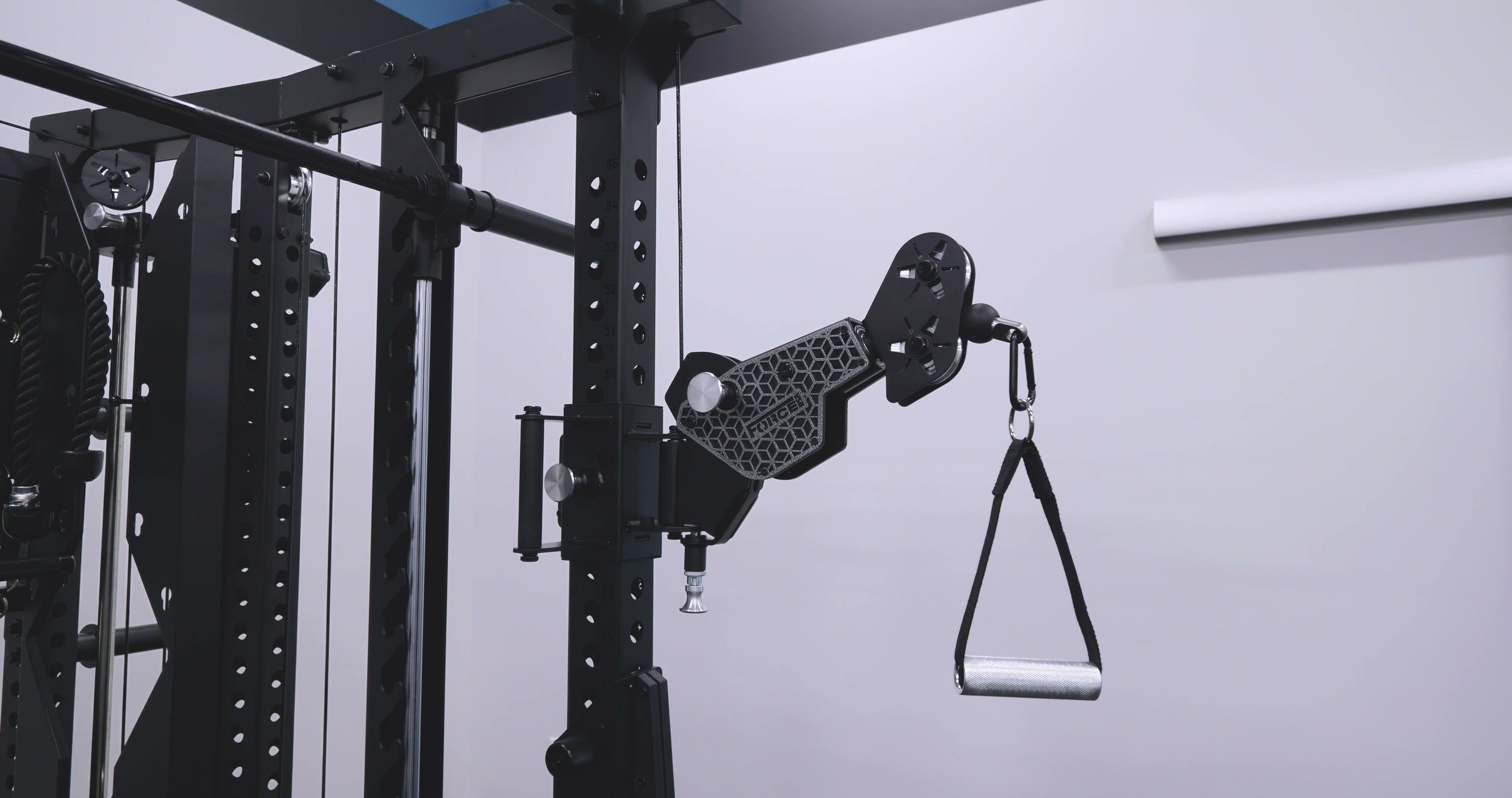
The articulating arms are the modern feature that makes this different than typical rack-mounted trolleys. You can move them up and down with a pop pin, and you can swing them in and out across five left-to-right angle positions. That matters because it gives you something closer to real functional trainer spacing instead of being stuck within the rack width.
There’s also a detail I noticed that’s genuinely useful: a detent that allows the arms to run in a “free motion mode” left-to-right. I don’t personally train that way often, but the capability is there. If you don’t care, you lock it normally and it behaves like a fixed articulating arm.
The trolleys slide smoothly with a plastic sleeve system, and the laser-cut numbers + viewing window make it easy to match left/right height. I also like that you can choose to mount the adjustment handles inside or outside depending on your preference and how you want to manage interference with barbell work.
The cable system feels thought-through
Each side runs 2:1 at the functional trainer trolleys, and the 5 lb adder is integrated into the stack in a way that’s simple and clean—no loose micro-plates floating around your gym.
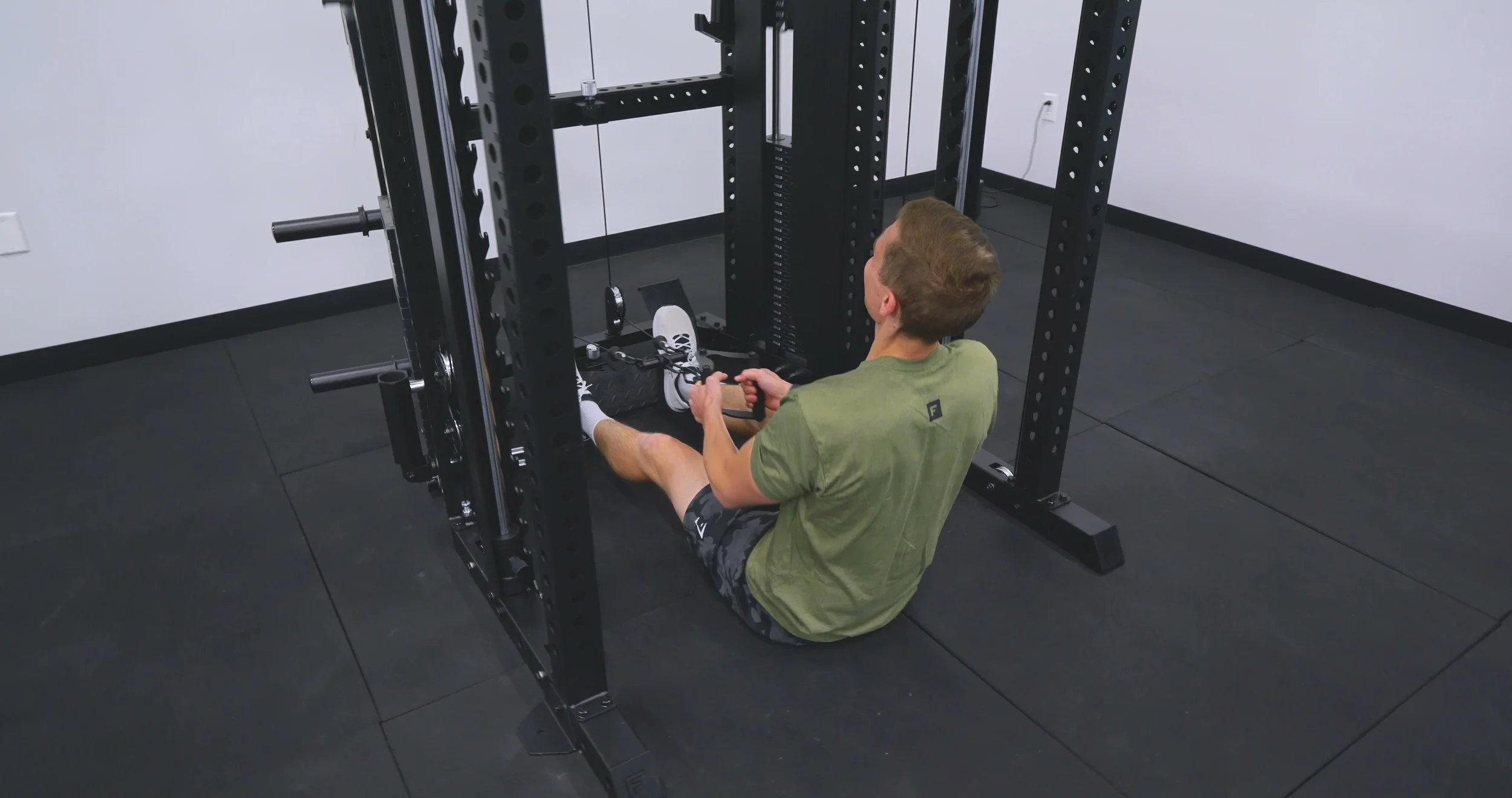
The top and bottom center exits are where the system becomes more than “rack + cables.” Using the connector, you can combine the stacks for lat pulldowns and low rows. The angled low row foot plate is one of my favorite small details because you can row from the ground or pull a bench in and get a more “commercial low row” feel where your feet sit lower than your hips.
One real-world note: the connector drops the effective height of the carabiner by about 3–4 inches. For taller users chasing a full stretch at the top, that matters. My solution was simply removing the connector to reclaim height, and Force USA told me they’re working on a better solution specifically for taller users.
The Smith machine is the standout surprise
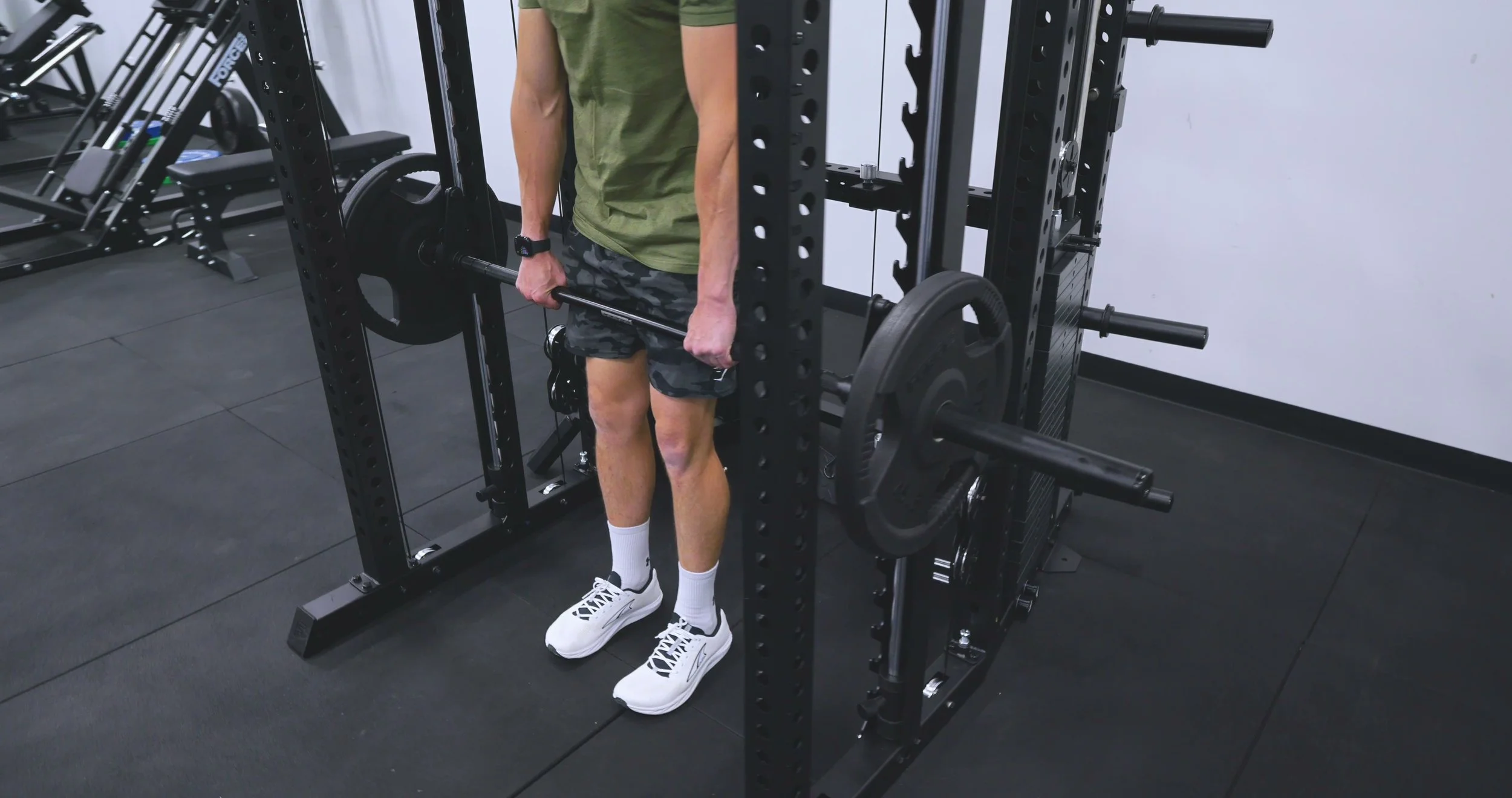
I’m picky about Smith machines. This one feels extremely solid with no left/right slop, and the integrated latching system being built into the same profile as the 3x3 posts is a big deal because it preserves interior clearance and lets you rack it high.
At 6'2", I can stand inside without head clearance issues—something that’s been a problem for me on other integrated Smith designs. The knurling feels more like an actual barbell than a typical oversized commercial Smith bar, which makes it more enjoyable for real strength training work.
The integrated Smith safety spotters are also smart: low profile, adjustable, and they stop the bar on rubber bumpers so you can get a low range of motion that’s closer to real barbell patterns (rows, RDLs, even a near-floor pull position).
Training Use Cases
This is the type of platform where multiple people can realistically train at once because you have separate functional trainer stations, plus the rack, plus the Smith station.
Functional trainer work: fly patterns, curls, pushdowns, mixed-height unilateral setups
Center lat pulldowns and rows: heavy work by combining stacks (with some height-management considerations if you’re tall)
Traditional rack lifting: squats, bench, pulls with stable J-cups and spotters that don’t swing around
Smith training: pressing, rows, RDLs, and controlled lower-body patterns with strong safety control
Leg press / hack squat capability: via the sliding bench interface and dedicated sleeve receptacle (this is a rare home-gym integration)
Tradeoffs & Limitations
Complexity is real. This isn’t a “set it and forget it” rack. There’s a lot going on, and you’ll want to be intentional about how you set it up so stations don’t fight each other.
Connector height loss for pulldowns. The 3–4 inches you lose matters more the taller you are. It’s solvable, but it’s still a real friction point until the improved solution is available.
Premium pricing. The value is only there if you actually want the full set of capabilities, especially the Smith integration and the sliding bench leg press/hack squat compatibility.
Value & Alternatives
The strongest value argument here is when you compare it as a complete system rather than “just a rack.”
REP Ares 2.0 for example: as a baseline, you can spend around $3,000 for a cable system, then add a 3x3 rack, then you still don’t have a Smith machine unless you spend more. The C20’s pitch is that you’re getting the rack, the functional trainer, the Smith, the cable station integration, and the sliding bench leg press/hack squat compatibility in one footprint and one ecosystem.
If you care about that combination, the pricing becomes more defensible than it looks at first glance—because you’re not buying one machine, you’re buying a gym platform.
Who Should Buy This
People building a home gym where one system needs to cover almost everything
Lifters who want articulating arms that actually feel like a functional trainer, not just rack trolleys
Anyone who values an integrated Smith bar that doesn’t kill clearance or ROM
Home gym owners who want leg press / hack squat capability without dedicating separate machine footprint
Who Should Skip It
Anyone who only needs a rack and a simple cable station
People who don’t want to manage an all-in-one system’s complexity
Buyers who prefer separate dedicated machines and don’t care about footprint consolidation
Final Verdict
The C20 feels like a true next-gen “cornerstone” home gym system because it doesn’t just stack features—it integrates them in ways that improve how you actually train. The articulating arms, the Smith design, and the small hardware details solve real problems. If you want a single system to build your gym around, this is one of the most complete executions I’ve seen.
Affiliate Disclosure
Some links may be affiliate links. If you purchase through them, I may earn a small commission at no additional cost to you.