ATX Vertical Leg Press Review
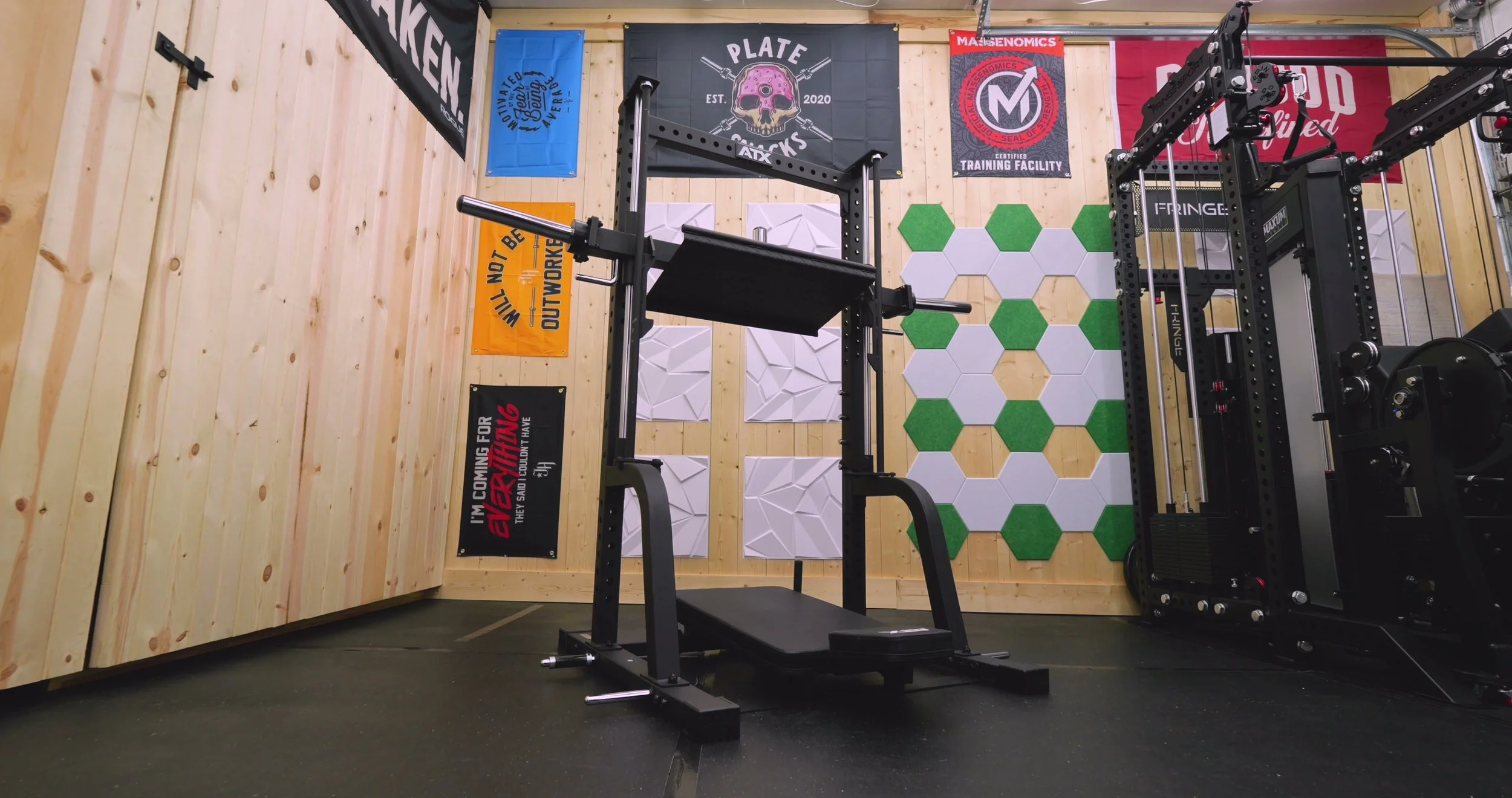
This product was in-house tested by Michael at The Jungle Gym Reviews.
This is a compact vertical leg press that delivers smooth, controlled movement and a surprisingly large range of motion in a relatively small footprint. It’s noticeably better built and better feeling than the budget vertical leg presses I’ve used in the past, especially in terms of smoothness and overall stability. The main tradeoff is adjustability—some ergonomics and angles won’t be perfect for everyone. If you want a dedicated leg machine that doesn’t dominate your floor space, this makes a lot of sense, but it won’t replace a full commercial leg press for every lifter.
Quick Specs
Price: ~$1,100 at time of filming
Max Load Capacity: 350 kg (~770 lb)
Frame Uprights: 60 mm x 60 mm
Hole Size: 20 mm
Footprint (frame): ~52” wide x ~48–50” long
Overall Length (with weight horns): ~75”
Loadable Sleeve Length (per horn): 12”
Central Weight Horn: ~4–5” loadable length
Foot Plate Angle: ~13°
Back Pad Angle: ~5°
Where to Buy the ATX Vertical Leg Press
Availability and pricing can be checked directly on the official ATX product page below:
My Real-World Experience
This leg press immediately stood out to me because of how little floor space it takes up compared to traditional 45-degree leg presses. Once it’s in place, it feels like a dedicated leg machine without swallowing your gym. Everything bolts together, which makes shipping and setup more manageable and fits with ATX’s general approach to keeping machines modular and cost-efficient.
In use, the smoothness is the biggest difference compared to budget vertical leg presses. This uses linear bearings, and the feel is much closer to a Smith machine carriage than the sleeve-on-rod setups you see on cheaper models. There’s no weird ankle or knee discomfort from inconsistent resistance, and even as you load it heavier, it stays controlled and predictable.
The range of motion is excellent. I’m a deep squatter, and I can’t bottom this thing out even with the safety stoppers completely out of the way. There’s still a few inches of travel left when I’m as deep as I’d ever want to go. Being able to adjust the depth stoppers while you’re actually under the machine is also a nice touch—it makes dialing in a safe bottom position quick and intuitive.
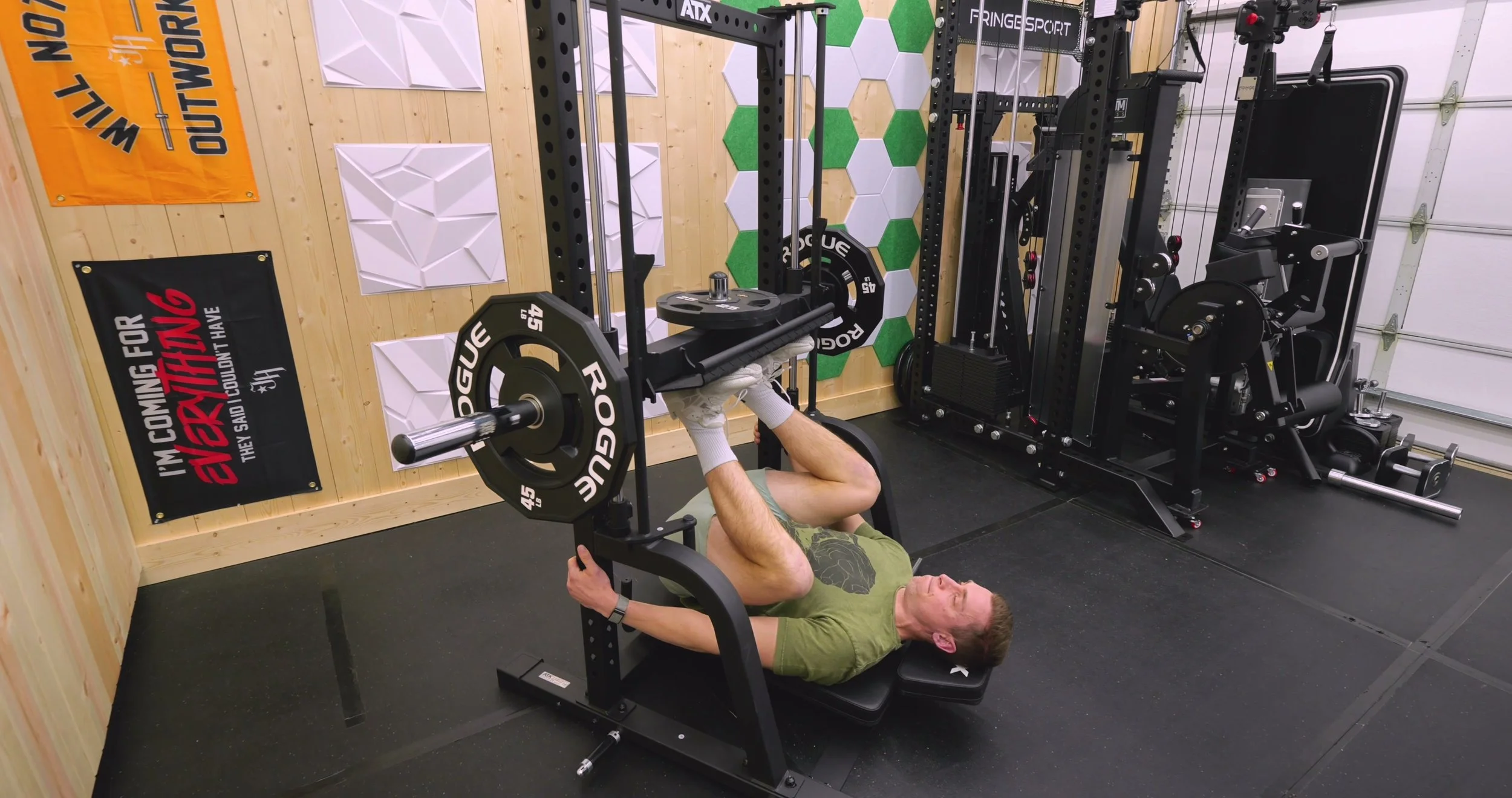
From a loading perspective, it’s more than sufficient. Each weight horn gives you 12 inches of loadable space, and the rated capacity is 350 kilograms. I haven’t come anywhere close to that number, but even with multiple plates per side, the machine stays smooth and stable. The central weight horn is short and really only useful for a couple of plates, but it’s there if you want to fine-tune loading.
Training Use Cases
This is best suited for lifters who want a leg press movement without dedicating massive floor space to it. It works well as a primary quad-focused accessory, especially if you already squat and just want additional leg volume without axial loading.
It’s also useful for people who like the feel of a more upright, stacked position—similar to high-bar squatting mechanics. If you’re comfortable staying upright and driving through midfoot, this feels natural and controlled.
Where it’s less useful is for anyone who wants a do-everything leg machine. This is a leg press, and it’s good at that, but it doesn’t replace hack squats, pendulum squats, or other multi-angle leg machines.
Tradeoffs & Limitations
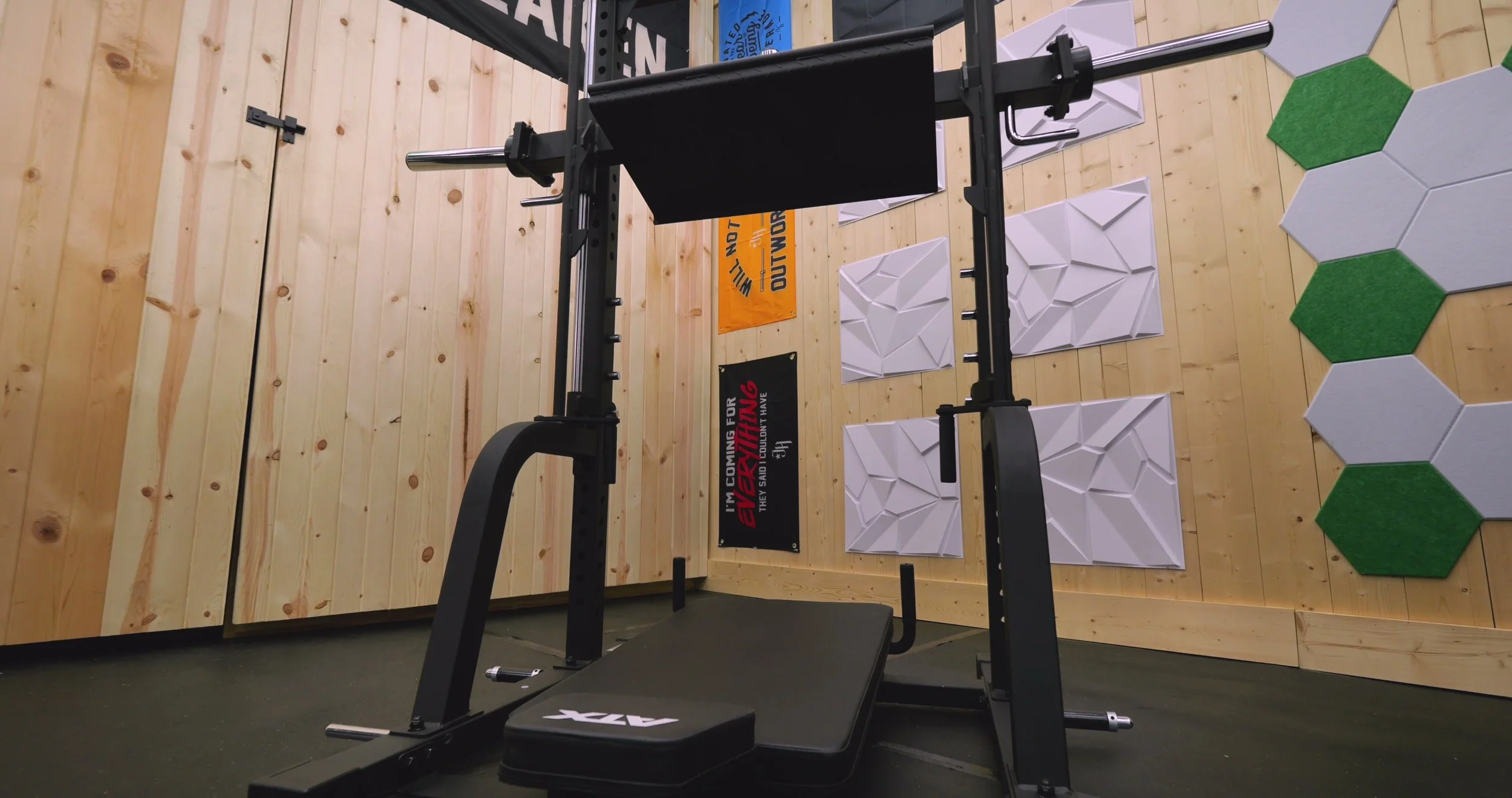
The biggest limitation is adjustability. The foot plate angle is fixed, and while it works well for many lifters, I personally would have liked a bit more heel elevation. Adding adjustability there would introduce complexity and potential play, so I understand why it’s welded, but it’s still a compromise.
Handle placement is another issue if you’re taller. At six foot two, I end up grabbing the uprights instead of the handles because the handles put me slightly too far back. Lower or adjustable handles would improve bracing for taller users.
Calf raises are essentially a no-go. The lip on the foot plate prevents meaningful range of motion whether you try from the back or the front of the plate. After six months of ownership, I still haven’t found a way to make calf raises feel productive on this machine.
Value & Alternatives
At around eleven hundred dollars, this sits clearly above budget vertical leg presses and well below large commercial leg machines. That price makes sense given the build quality, smoothness, and overall execution.
Compared to cheaper vertical presses, this feels like a legitimate step up rather than a small upgrade. Compared to full-sized 45-degree leg presses, you’re trading absolute mass and adjustability for space efficiency and practicality. If space matters, that tradeoff is easy to justify.
Who Should Buy This
If you want a dedicated leg press that fits in a home gym without taking over the room, this is a strong option. It’s especially well suited for lifters who value smooth movement, deep range of motion, and compact design over endless adjustability.
Who Should Skip It
If you want a machine that handles calf raises, multiple foot angles, or a more commercial-style feel, this probably isn’t it. Lifters who need extensive adjustability or who prefer heavier, angled leg press mechanics may feel limited here.
Final Verdict
This is a well-built, smooth, space-efficient vertical leg press that clearly outperforms budget alternatives. It has real limitations, but if those limitations line up with your needs and space constraints, it’s an easy machine to live with long term.
Affiliate Disclosure
Some links may be affiliate links, which help support The Jungle Gym Reviews at no additional cost to you.